Insulated Hydration Pack
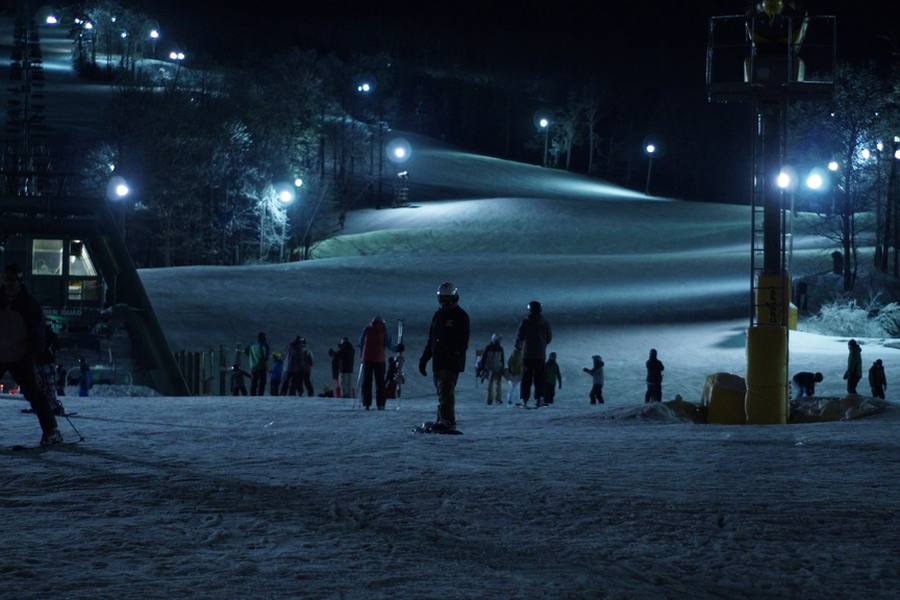
Temsili görsel (stok fotoğraf); ürünün kendisi değildir.
Dehydration At Altitude Is Real
Cold dry air, increased breathing rate at altitude and exertion combine to cause substantial fluid loss without the thirst signal that heat produces.
Dehydration contributes to fatigue, poor decision-making and headaches, and it worsens altitude symptoms noticeably.
People drink far less on a cold day than a warm one while losing a comparable amount, which is the specific gap a hydration pack addresses.
Freezing Is The Practical Problem
Water in the tube freezes long before the reservoir does, since the tube is thin and exposed, which makes an uninsulated system useless below freezing.
Blowing the water back into the reservoir after each drink is the standard technique and works reliably when remembered.
Insulated tubes and neoprene covers delay freezing considerably and do not prevent it on a genuinely cold day, and routing the tube inside a jacket does more than either.
Size And What A Pack Is For
A small pack carrying water, a spare layer, goggles and food is adequate for resort skiing and a larger one is needed for touring.
Larger packs tempt people to carry more than they need, which for lift-served skiing is unnecessary weight on every chairlift.
A pack must sit high enough not to interfere with a harness or a chairlift back, which very long packs do.
Cleaning And What Grows Inside
Reservoirs grow mould in the tube and bite valve, particularly if filled with anything other than water or stored damp.
Drying fully after each trip and using a brush kit for the tube prevents it, and freezing a reservoir between uses stops growth entirely.
A reservoir that has developed mould is difficult to fully clean and is frequently replaced, which is avoidable with a few minutes of care.
Alternatives Worth Considering
An insulated bottle in a pack does not freeze and cannot be drunk on the move, which suits anybody who stops regularly.
Warm drinks in a vacuum flask are considerably more appealing on a cold day and encourage people to drink more, which is the actual goal.
For lift-served skiing where restaurants are frequent, drinking properly at lunch and at breaks achieves much of the same thing with no equipment.
Alcohol at altitude deserves a mention, since its effects are stronger at elevation and it accelerates dehydration considerably, which makes an afternoon after a lunchtime drink both slower and riskier. That is a known contributor to afternoon incidents and is straightforward to manage. Hydrating properly alongside, and keeping consumption for after skiing, addresses nearly all of it.
Reservoir size should be modest for resort skiing, since two litres of water is two kilograms carried on every lift and a litre is usually sufficient between restaurant stops.
Bite valve covers keep snow and grit off the mouthpiece, which otherwise collects everything from a chairlift seat and a pocket during a day.
Wide-mouth reservoirs are far easier to fill and to dry than narrow ones, which matters more across a season than any other reservoir feature.
The Verdict
A useful way to keep drinking on a cold day, where tube freezing is the limitation and a flask is a reasonable alternative.
Tubes freeze, reservoirs grow mould, and large packs invite carrying unnecessary weight.
Blow the water back after every drink. The tube freezes long before the reservoir does.
Bir bakışta
Artılar
- Encourages drinking when thirst is absent
- Hands-free drinking on the move
- Doubles as a small pack for layers and food
- Insulated tubes delay freezing
Eksiler
- Tubes freeze in genuinely cold conditions
- Reservoirs grow mould if stored damp
- Large packs encourage unnecessary weight
- Long packs interfere with chairlift backs
Sıkça sorulan sorular
Do I really need to drink more when skiing?
Cold dry air, faster breathing at altitude and exertion cause substantial fluid loss without the thirst signal heat produces. Dehydration contributes to fatigue, poor decisions and headaches, and worsens altitude symptoms.
How do I stop the tube freezing?
Blow the water back into the reservoir after every drink, which is the standard technique. Insulated tubes and neoprene covers delay it; routing the tube inside your jacket does more than either on a genuinely cold day.
Is a flask better?
For many people, yes. It does not freeze, and a warm drink is considerably more appealing on a cold day, which means you actually drink more — which is the whole point. You cannot drink from it on the move, though.
Teknik Özellikler
| Type | Insulated hydration pack |
| Problem addressed | Underestimated cold weather dehydration |
| Main limitation | Tube freezing |
| Technique | Blow water back after every drink |
| Better still | Route the tube inside a jacket |
| Size | Small for resort, larger for touring |
| Cleaning | Dry fully; brush kit for the tube |
| Alternative | Insulated flask with a warm drink |
Özet
Real problem, workable solution. Blow the water back each time, or carry a flask instead.
Amazon'da Fiyatı Kontrol Et